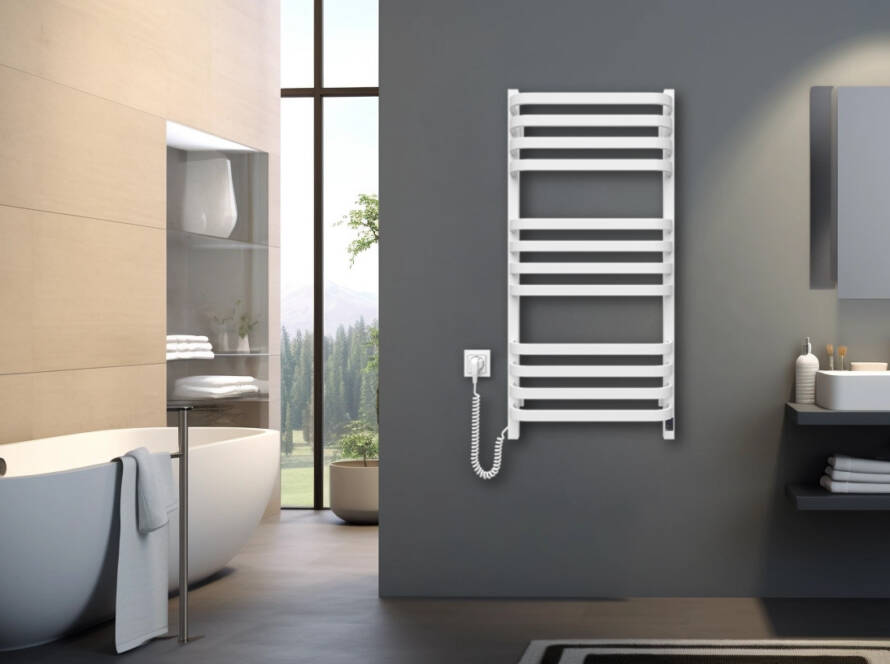
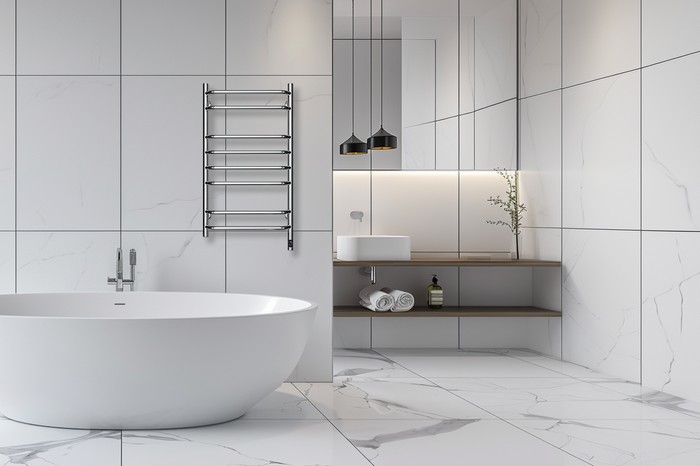
In modern European homes, towel warmers are more than just a luxury — they’re a blend of comfort, functionality, and design. From warming towels to preventing mold and adding a stylish touch to bathrooms, electric towel warmers are increasingly popular. But beneath the sleek surfaces lies a technical challenge that homeowners and designers should be aware of: stray currents.
What Are Stray Currents?
Stray currents, also known as leakage or wandering currents, are unintended electrical currents that flow through materials not designed to carry them. They typically occur due to:
- Improper grounding of electrical systems
- Faulty wiring or installation
- Interference from nearby electrical appliances or metal structures
- Differences in electrical potential between grounded components
Although often unnoticed in daily life, stray currents can have a serious impact on metal-based appliances — including electric towel warmers.
How Do Stray Currents Affect Towel Warmers?
When stray currents pass through a towel warmer, especially one made of steel or aluminum, they can lead to:
- Accelerated corrosion of metal surfaces, especially at weld points
- Discoloration or surface damage, even under protective coatings
- Unstable heating behavior or malfunction of electronic controls
- Increased risk of short circuits in extreme cases
These issues not only reduce the lifespan of the appliance but may also compromise safety.
Warning Signs to Watch For
Homeowners and installers should be alert to the following symptoms of stray current interference:
- Unusual rust marks or pitting despite anti-corrosion coatings
- Tingling sensation when touching the warmer (a sign of improper earthing)
- Warmers heating erratically or not turning off properly
- Flickering of nearby lights or unexplained circuit breaker trips
How to Prevent the Problem
Designing and installing a towel warmer with stray currents in mind can greatly reduce the risks. Key precautions include:
✅ Proper electrical grounding using certified earth points
✅ Use of dielectric fittings or isolation gaskets at pipe joints
✅ Installation of grounding clamps on metallic water pipes
✅ Choosing materials wisely — powder-coated carbon steel is more vulnerable than stainless steel
✅ Selecting models with high IP ratings (e.g., IP44 or higher) for better moisture protection
What to Look for When Buying a Towel Warmer
To ensure safety and durability:
- Look for CE-certified products that meet EU safety regulations
- Choose models with clear IP ratings indicating protection against moisture and dust
- Ensure professional installation by a qualified electrician
- Ask the supplier about corrosion protection, material thickness, and grounding recommendations
Conclusion
Stray currents are an invisible but critical factor that can silently damage even the most elegant towel warmer. By understanding their impact and taking preventive measures during installation, homeowners and designers can ensure long-term performance, safety, and aesthetic value. In the end, a well-grounded purchase is both a smart and safe one.